


UI Design
App Design of a Buying Agent
- Roles
- Business Strategy
- UI Design
- Tools
- Sketch / Affinity Designer
- Figma
- Timeframe
- April 2017, Taiwan
- Product Designer @ Levooya

As Uber-like apps went viral, many startups tried to copy this successful business model. However, not everyone fits the market as well. Therefore, establish the business model from the basic is fundamental.
1.Design Mission
- Refine the business model
- Explore a new design workflow
- Build the key function pages
I was a UI/UX designer in the team with another in-house designer. I took over the beta version of this app, planned the Explore & Evaluate method for the second survey, and redesigned the key functions from the monochrome sketch of Beta.
2.Development Flow
Explore Market → Propose Solution → Test Business Model → Design Application
3.Explore and Evaluate Method
The EE Method(explore and evaluate method) is a way to build a business model from a concept. I establish this method for evaluating the market and avoid wasting resources on a well-designed but unnecessary model. There are 3 stages and 9 sections to build a product.
Stage I. Explore
Find an Opportunity
• Scenario
• TA Persona
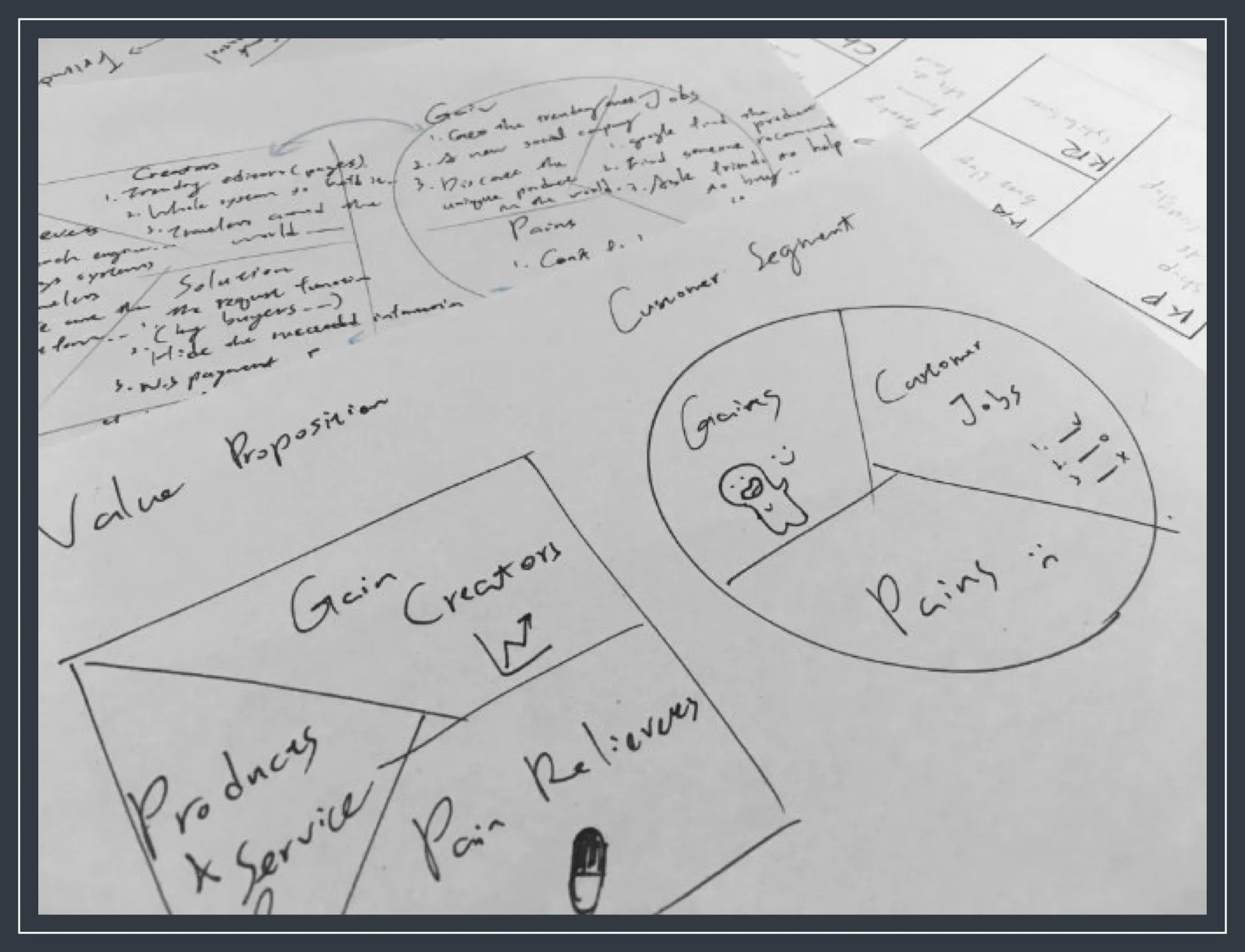
• Value Proposition Fit
The first step, start from white, follow the instinct and produce serval stories that depicted the scenario of products. Then, add TA persona to the eye-catching stories. Lastly, use Value Proposition Fit to verify the products are profitable.
Stage II. Evaluate
Prove the Market
• Qualitative Interview
• Pay Test
• Business Solution
The second step, reach potential customers, follow the outcome of the previous stage to survey potential customers. The most important part is the survey has to ask people to pay for something, such as demo products, pre-order stuff, or even sensitive information. This powerful request could filter people who really want the design. Besides, based on the feedback from the survey to finish the business solution, which means knowing the price people would pay for your product.
Stage III. Design
Iterate the Product
• Business Model Canvas
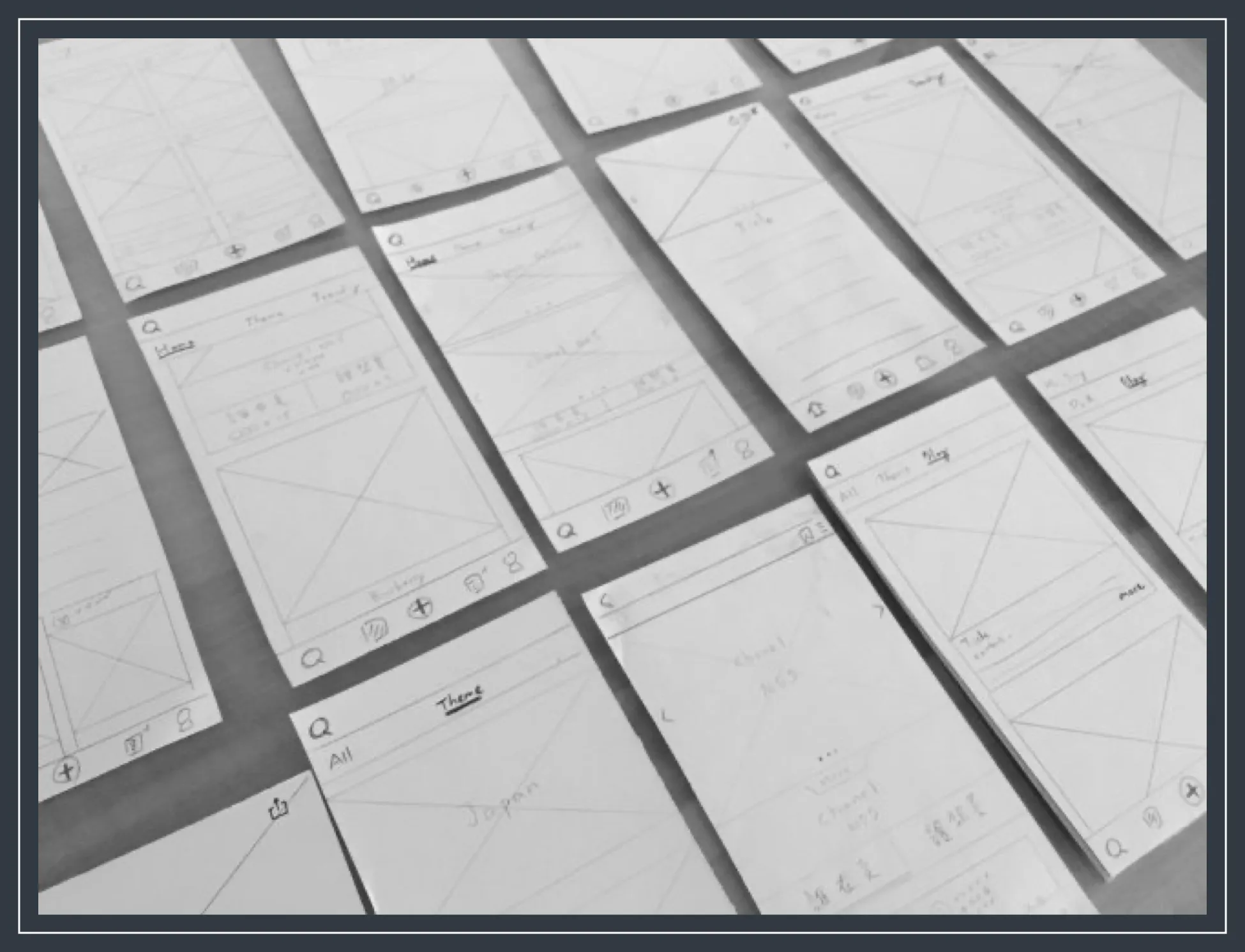
• Paper Prototype
• Real Design
The final step, dive into the system, evolve the product into a real business by Business Model Canvas. Next, use paper prototypes to iterate the product in the team. Since the team members are definitely familiar with the product, designers can focus on developing key functions without premature optimization.
4.Design Elements
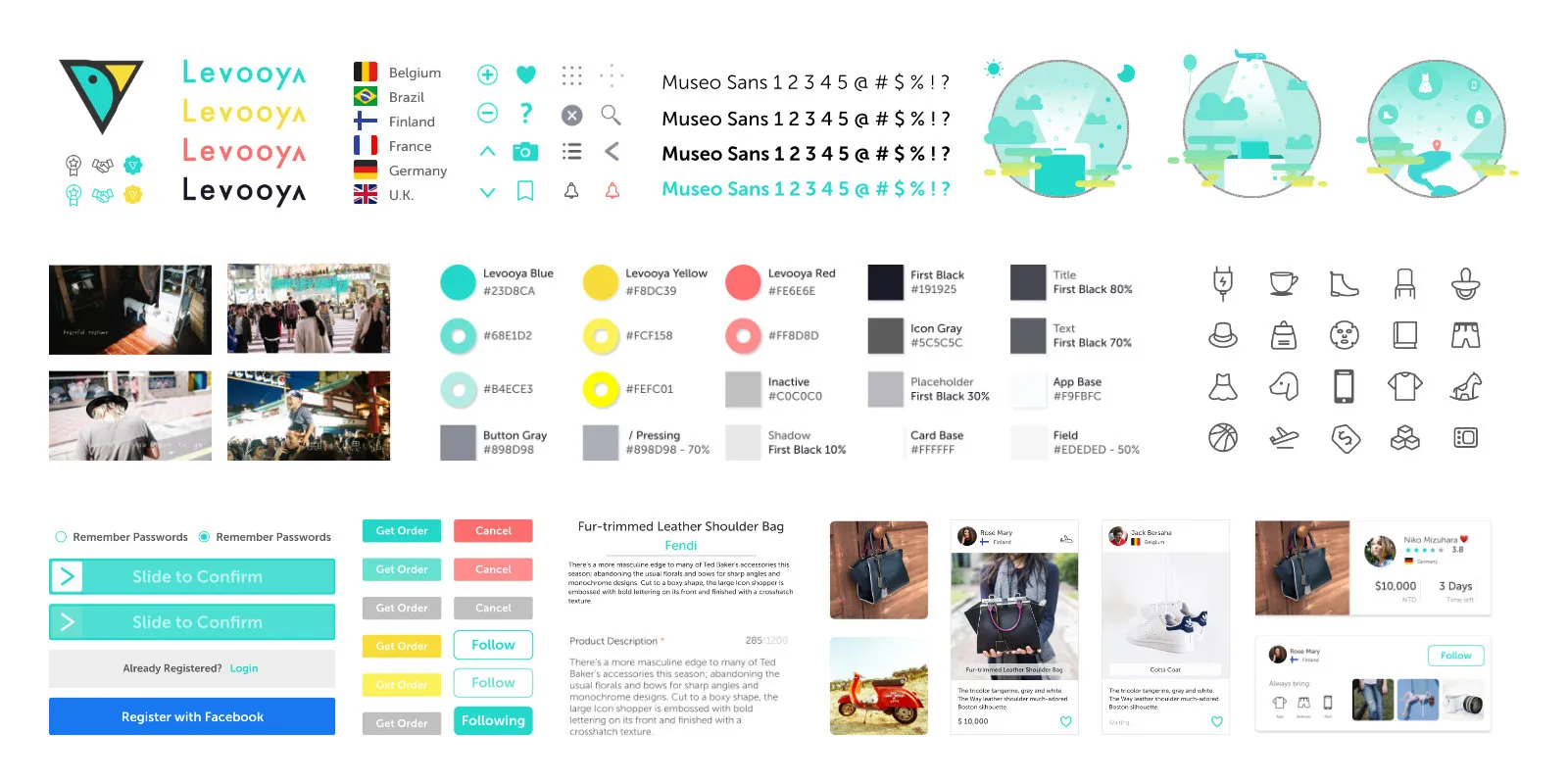
Reusable and scalable element is the rule.
5.Design Application
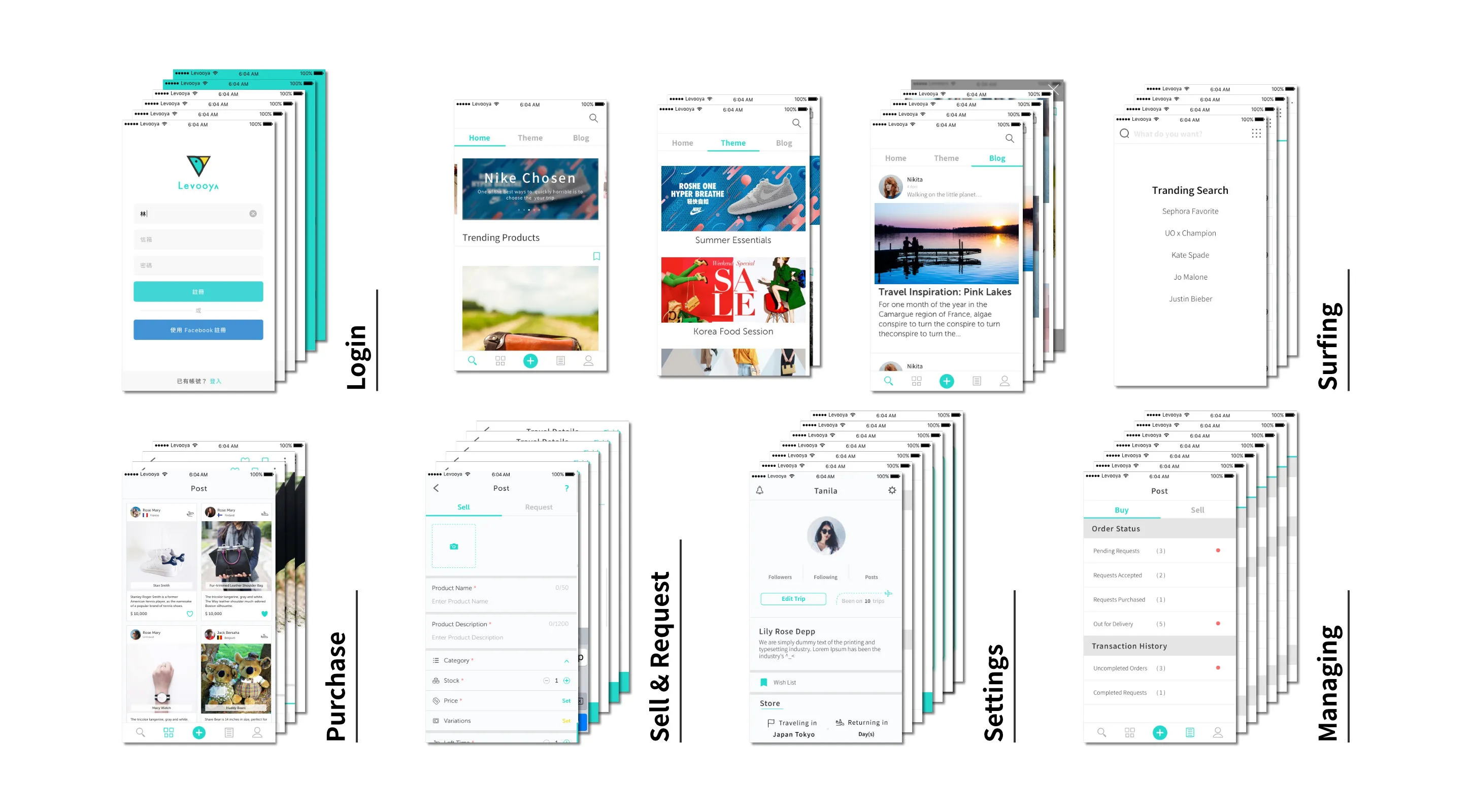
Key Function - Unified Page
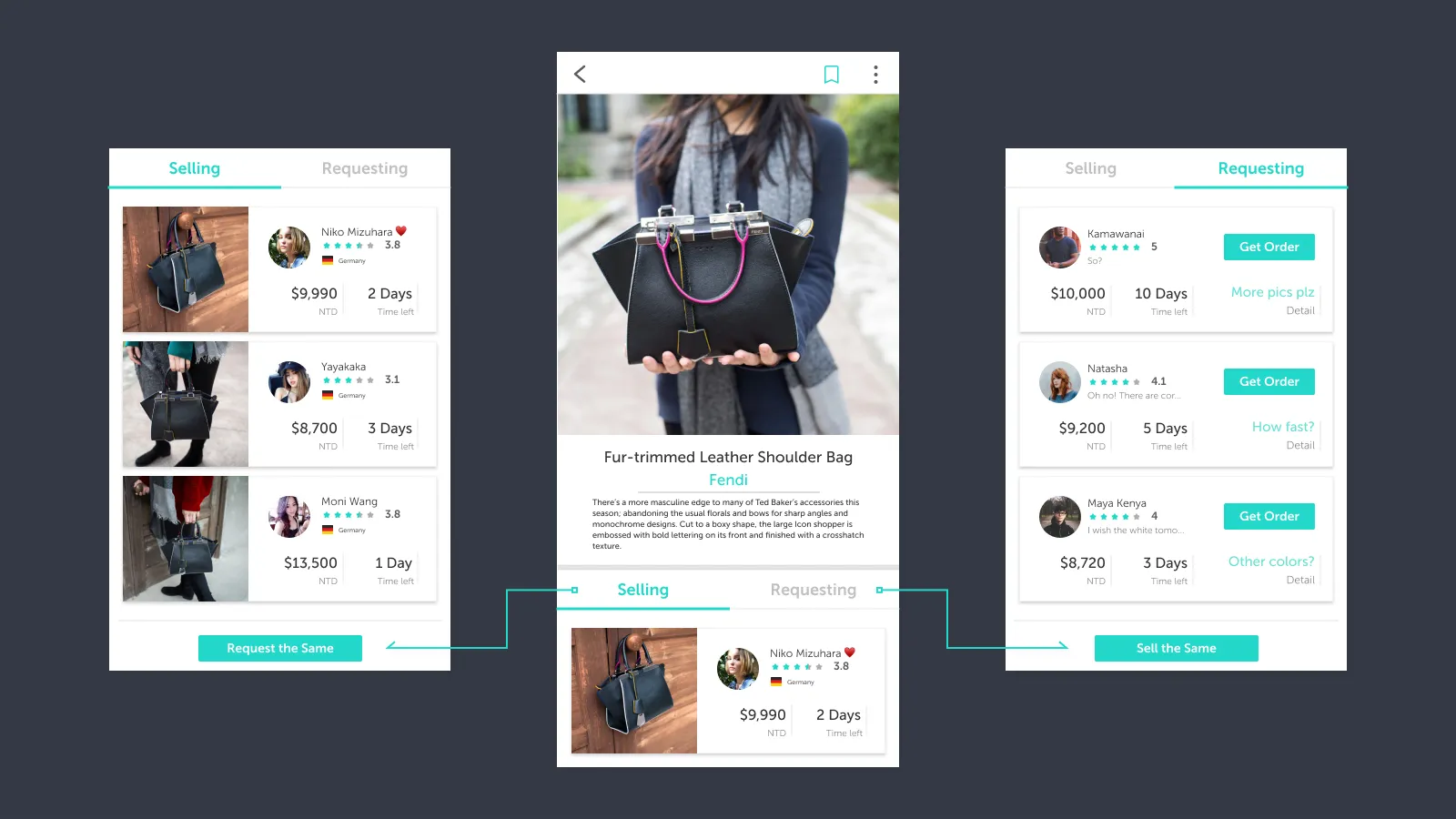
Unified page is the engine of the business. It matches the buyers and travelers. This conducts a window that merged comparable products and similar requests into a single product page. Our users do not need to contact each other one by one. Every unified page is a little counter serving series products.
Feature 1
Increase users’ cognitive load with Slide to Confirm to smooth the process and prevent mistakes.
Feature 2
Unified page saves time for users with Auto Fulfillment.
6.P2P Platform in the Future
A successful P2P platform has to fit 2 requirements. First, the platform should be anonymous, which means the platform is purely an entrance providing for strangers to find each other instead of helping users establish a relationship. Or the users will contact others in private and the platform will be useless. Second, people need a middle man because the market doesn’t provide credit and insurance. Therefore, if the platform could play a role, it creates a business as well. As above, there are still many chances uncharted in the market and awaiting for someone to reveal it.